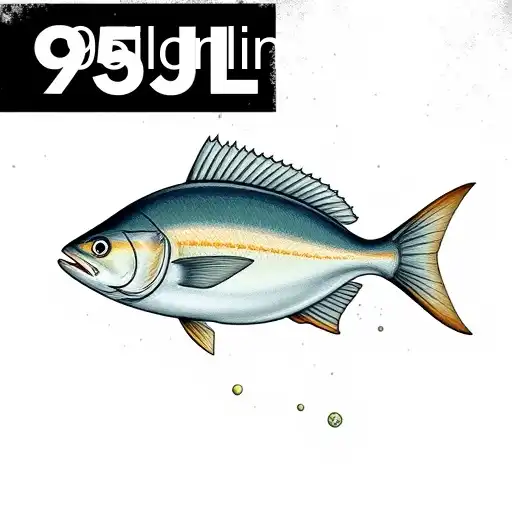
Exploring the Art and Science of Fishing
The Historical Significance of Fishing
Fishing has been an integral part of human civilization for thousands of years. Its significance spans across cultures and continents, not just as a means of sustenance but also as a cultural and recreational activity. Evidence of fishing techniques dates back to 40,000 years ago, showcasing the ingenuity of early humans in exploiting aquatic resources.
Ancient cultures such as the Egyptians, Greeks, and Chinese utilized fishing to feed their populations and to trade with neighboring regions. Ingeniously crafted tools like nets, hooks, and spears testify to the skill and innovation of these ancient communities. The knowledge passed down through generations has transformed fishing into both an art form and a scientific endeavor.
Methods and Techniques
Traditional Fishing Methods
Traditional fishing methods include line fishing, netting, and trapping, techniques that have evolved to maximize efficiency and sustainability. Line fishing, one of the simplest techniques, involves using a fishing rod and bait to catch individual fish. This method is still widely used due to its sustainability and minimal environmental impact.
Modern Fishing Techniques
With advances in technology, commercial fishing has seen the introduction of methods such as trawling and longlining. Trawling involves dragging large nets through the water, capturing vast quantities of fish. Although efficient, trawling is often criticized for its environmental impact, as it can lead to overfishing and damage to the ocean floor.
Longlining involves deploying a main line with numerous baited hooks, spanning miles across the ocean. This technique targets larger species like tuna and swordfish but has raised concerns due to bycatch, where unintended species are caught.
The Recreational Aspect of Fishing
Fishing is not solely a commercial enterprise; it is also a beloved recreational activity. Millions of people around the world enjoy sport fishing, which offers a unique blend of relaxation, challenge, and connection with nature. Anglers use various techniques tailored to specific environments and fish species, making it a diverse and engaging hobby.
Competitive fishing tournaments further add to the excitement, drawing skilled fishermen and spectators alike. These events test the angler's skill, strategy, and knowledge, often in exhilarating settings.
Conservation and Sustainability
Amidst the growing demand for seafood, the fishing industry faces the critical challenge of balancing productivity with sustainability. Overfishing remains a significant concern, threatening the delicate balance of marine ecosystems. Many governments and organizations are focusing on conservation efforts such as establishing marine protected areas and imposing quotas on fish catches.
Conservation initiatives are crucial for maintaining fish populations and ensuring the long-term viability of the fish industry. The promotion of sustainable practices, like selective fishing and aquaculture, is essential in safeguarding future generations' access to marine resources.
The Science of Fishing
The scientific study of fishing encompasses aspects like fish behavior, habitats, and the ecological impact of fishing activities. Understanding the complex dynamics of aquatic ecosystems is vital for developing efficient and responsible fishing practices. Marine biologists and environmental scientists work tirelessly to gather data, providing insights to inform policy and management strategies.
Technological advancements also play a vital role, with sonar and GPS systems aiding fishermen in locating fish and navigating oceans more safely and efficiently.
Fishing and Culture
In many cultures, fishing transcends its economic value, being embedded in folklore, traditions, and communal identity. Festivals celebrating fishing harvests, tales of epic battles between man and fish, and songs dedicated to the sea paint a rich tapestry of the social and cultural significance of fishing.
Art forms such as literature and cinema have also drawn inspiration from fishing, offering a profound reflection on human interaction with nature, the sea's mystery, and the resilience required to overcome its challenges.
Conclusion
Fishing is more than a quest for fish; it's an intricate dance of tradition, modernity, and nature's rhythm. As we move forward, maintaining a balance between exploitation and preservation is crucial. With efforts to embrace sustainable practices and technological advancements, the future of fishing remains hopeful and promising, while honored traditions continue to enrich our cultural heritage.
Explore more about the global impact and future of fishing through various resources and communities dedicated to understanding and preserving this essential activity.